
Most people do not think much about company ownership until they start one themselves. You show up, do good work, collect a paycheck, and maybe get a 401(k) match if you are lucky. Ownership? That is for founders and executives.
But what if it weren’t?
In 2010, SEP’s founders made a decision that fundamentally changed our company. They transitioned their ownership to an Employee Stock Ownership Plan—an ESOP. On paper, this was a succession plan. In practice, it was a question: What happens when the people doing the work become the people who own it?
Fifteen years later, we have an answer. And it is not what you might expect.
It Started With a Different Kind of Company
When our founders started SEP in 1988, they were not trying to build the biggest software firm in Indiana. They wanted to build something sustainable—a place where talented people could do meaningful work without sacrificing their lives outside of it. They focused on craftsmanship, honest client relationships, and balance. Revenue was important, but it was never the point.
That philosophy worked. We grew steadily, built a strong reputation, and created a culture people genuinely valued. But in 2010, our founders wanted to ensure that culture would outlast them. So instead of selling to a private equity firm or bringing in outside investors, they chose to transfer ownership to us—the employees.
What Changed (and What Did Not)
Here is what did not change: We still build excellent software. We still prioritize our relationships with clients. We still value balance and craftsmanship. The work itself stayed the same.
What did change was harder to quantify but impossible to miss.
When you own part of the company you work for, your relationship to that company shifts. You stop thinking about “the business” as something separate from you. Decisions about how we operate, who we hire, what projects we take on—those suddenly matter in a different way because they affect something you own.
That shift shows up in small ways and large ones. It shows up when someone proposes a new internal process and people genuinely debate whether it will make us better. It shows up when we are hiring and the team takes recruiting seriously because they know a bad hire affects everyone. It shows up in how we talk about our financial performance—not as something happening to us, but as something we are building together.
The Financial Reality
Let me be direct: The ESOP is a significant financial benefit. It operates as a retirement plan in addition to our 401(k), and it is funded entirely by the company. As SEP succeeds, the value of employee ownership grows. Over time, that growth has been substantial.
But if I am being honest, the financial benefit is not what people talk about when they describe why they stay at SEP. It matters, certainly. But it is not the thing that makes this place different.
What Actually Makes It Different
The ESOP created something we did not fully anticipate: a culture where transparency is not just encouraged—it is necessary.
When everyone has a stake in the outcome, you cannot hide information. We hold quarterly open forums where our President and CEO walk through our financial performance, our challenges, and our strategy. People ask hard questions. We give honest answers. This is not a performance. It is how we operate.
We invest heavily in professional development—it is one of our top five expenditures—because when employees are owners, their growth directly impacts the company’s success. We have built programs that support this investment:
- Guides program pairs new hires with mentors for their first year
- SEP Learns program connects early-career employees with seasoned leaders to share best practices
- Customer Experience program ensures everyone has the skills to serve clients well
These are not nice-to-have perks. They are investments in ownership.
“When you are building something you own, you tend to stick around to see it through.”
We have maintained a 95% retention rate, not because people cannot leave, but because they choose not to.
What This Means for Our Clients
Our clients benefit from this model in ways they do not always see immediately:
Stability. When your consulting partner is employee-owned, you are not dealing with a firm focused on quarterly earnings or exit strategies. You are working with people who plan to be here for the long term because they own the outcome.
Consistency. That 95% retention rate means our clients rarely experience mid-project turnover. The people who start a project are usually the ones who finish it.
Investment. When we recruit, we are not just looking for talented engineers—we are looking for future owners. That changes how seriously we take hiring and how thoroughly we evaluate alignment with our values. Our clients work with people who have been selected not just for their technical skills, but for their ability to think and act like owners.
What This Means for Someone Considering SEP
If you are exploring opportunities at SEP, here is what you should know:
This is not a typical employment arrangement. You will not just be doing a job—you will be building something you have a stake in. That comes with benefits, certainly. But it also comes with responsibility. We expect you to care about the work, contribute to the culture, and think beyond your individual role.
In return, we will invest in your growth, include you in important decisions, and share the financial success we build together. We will be transparent about our challenges and our strategy. And we will treat you like an owner from day one, because that is what you will be.
The Recognition That Followed
Over the years, our approach has been recognized in ways that matter to us. We have been named a Best Place to Work in Central Indiana for 16 years. We have won Central Indiana Top Workplaces recognition multiple times, including ranking first in 2025 and 2023. In 2024, we were named a USA Today Top Workplace. And in 2025, we won TechPoint’s Exceptional Employer Mira Award, which recognizes companies excelling in talent development, workplace culture, and community impact.
These recognitions are meaningful because they reflect the culture we have worked to build—not as a marketing strategy, but as a daily practice. They validate that what we are doing works, not just for us internally, but in ways others can see and measure.
What I Have Learned as an Employee-Owner
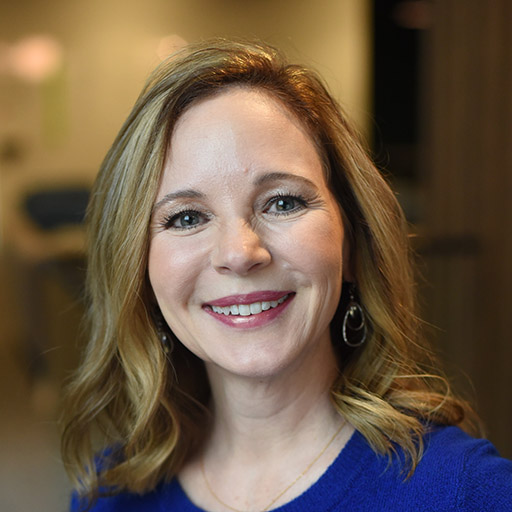
I have been at SEP long enough to understand what employee ownership means in practice, not just in theory. As HR Director, I have a unique vantage point—I see how ownership affects recruitment, retention, decision-making, and daily operations.
“We are not just colleagues. We are partners in something we are building together.”
What strikes me most is how ownership changes the nature of our relationships. That creates a level of mutual investment and care that is difficult to replicate in a traditional employment model.
It also creates accountability. When you are an owner, you cannot just complain about problems—you have a responsibility to help solve them. That can be challenging, but it is also what makes this culture work.
The Bottom Line
Employee ownership is not a magic solution. It does not eliminate challenges or make difficult decisions easy. But it does create alignment between individual success and company success in a way that changes how people show up to work.
At SEP, the ESOP is not just a retirement benefit. It is the foundation of how we operate—how we make decisions, how we treat each other, and how we serve our clients. It has made us more stable, more transparent, and more invested in long-term success.
If that sounds like the kind of place you want to work—or the kind of partner you want to work with—we would welcome the conversation.
