
Cloud Articles

Cloud Migration: Three Big Considerations Before Getting Started
“Cloud Migration” is one of the buzziest topics right now (aside from Generative AI). When we talk to our customers about migrating to the cloud, we want to help them make sure we’re all on the same page about the risks and benefits before we go headlong into that kind of effort. Our makers LOVE […]
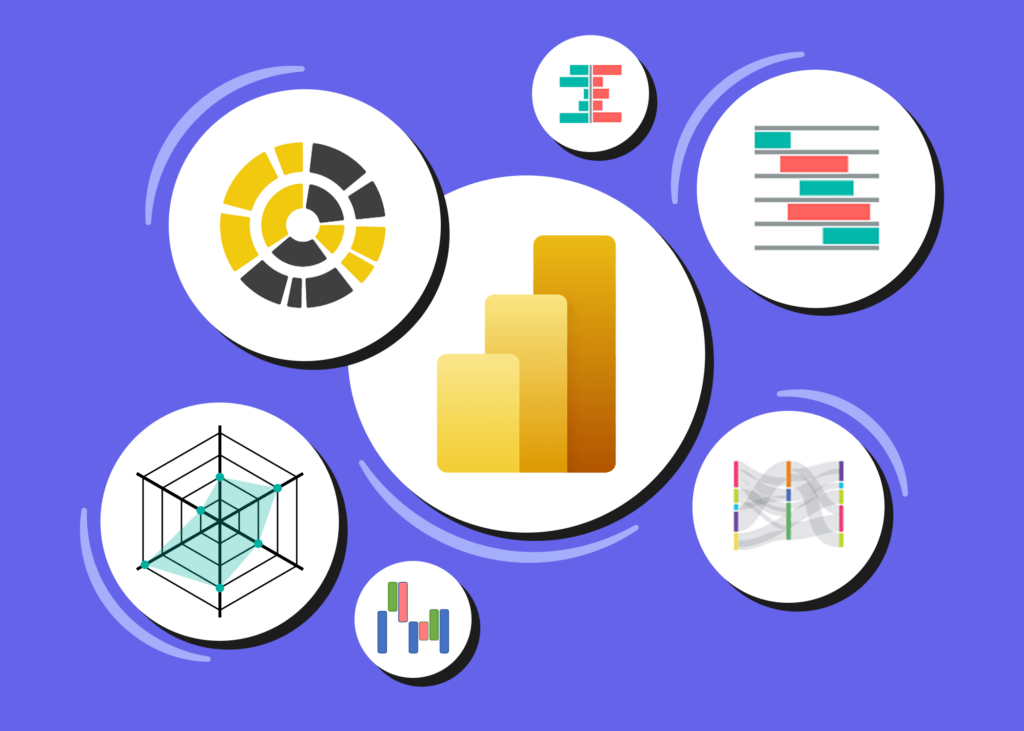
Level Up Your Data with Custom Power BI Charts
This article was co-written by Jeremy Jarvis and Dante LaRocca. In our data-driven world, businesses rely on understanding the data that drives them. This involves visualizing data in a clear and digestible way, enabling them to make informed decisions. Even if the data is rich and accurate, the visuals must be carefully designed to surface […]
Navigating the Cloud: Key Considerations for Building or Migrating to Cloud-Based Applications
I often have to pull folks at SEP into early conversations with our clients to help explain and understand the technical nature of the clients world. One of those people is our Director of Software Engineering, Jon Fuller. Jon’s experience and approach make him one of the best in our walls at asking great questions […]
Don’t Miss Insightful Advice For Finding Success with Digital Transformation
In the world of software consulting, it’s pretty common to hear horror stories from clients about failed ‘Digital Transformation’ efforts. What most people embark on is a really hard and not-so-simple endeavor. Sometimes, though, I get to hear some success stories. My interview with Josh Haines from Rolls-Royce is the latter. He shared how he’s […]

Is a Lift and Shift Migration the right fit for your cloud project?
Picture this: Your team has been wrangling databases, applications, and web servers hosted and run on hundreds of VMs for years now. You have workarounds for some of the most egregious limitations, but alas… you know the time has come to replace your VMs with cloud hosting. You know that the inefficiencies and security concerns […]
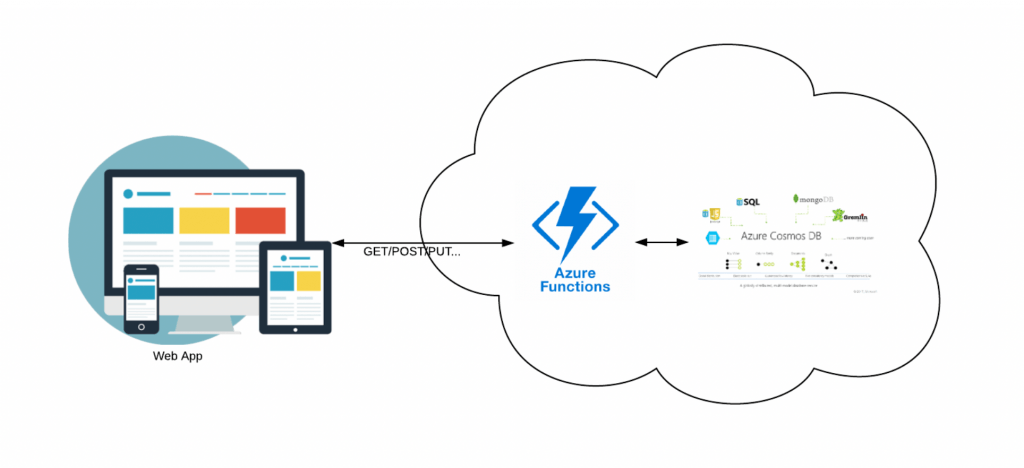
Using Azure Functions to Deliver REST API: A Step-by-Step Guide, 2/2
This is a follow-up to my previous post about hosting a simple React App in Azure, and now we’ll cover using Azure Functions to deliver REST API. I would like to begin with the caveat that both posts are meant to be used as steps to deploy to Azure as quickly as possible. Production-level apps […]
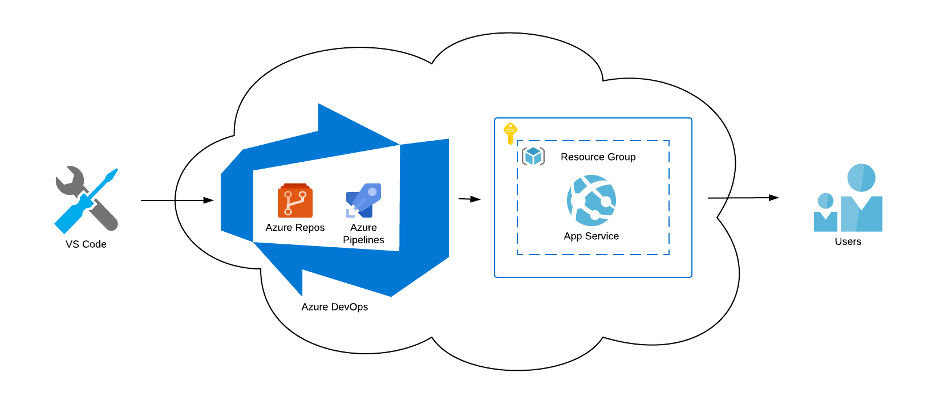
Hosting a React Web App in Azure with CI/CD in Five Easy Steps
There are a few blog posts out there that already show you how to host a React web app in Azure, but since I encountered a few issues, I thought I’d document what worked for me. These are the very simple steps I followed to set up my web app in Azure, with continuous integration […]

Check Out Automated Testing for CloudFormation Templates That’s Not Boring
tCloudFormation is a powerful tool that allows you to define your AWS infrastructure as code. And like any piece of software, testing is an important part of the software development lifecycle. This is especially important when practicing continuous delivery or continuous deployment. In this post, I present a working example of a CI/CD pipeline for […]
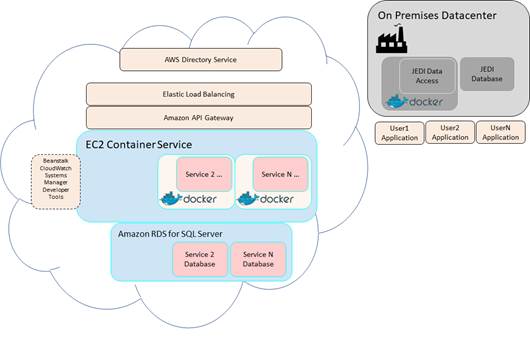
Total Cost of Ownership: Choosing Between On-Premise vs. Hybrid / Pure Cloud
Inconsidering a deployment strategy a new development effort, two potential solutions should be evaluated: Deployment of software on client-controlled hardware residing on the corporate intranet A Cloud-based approach using Amazon Web Services Both approaches have their pros and cons and I’ll outline those in this post, but let’s start with a real client example first: […]
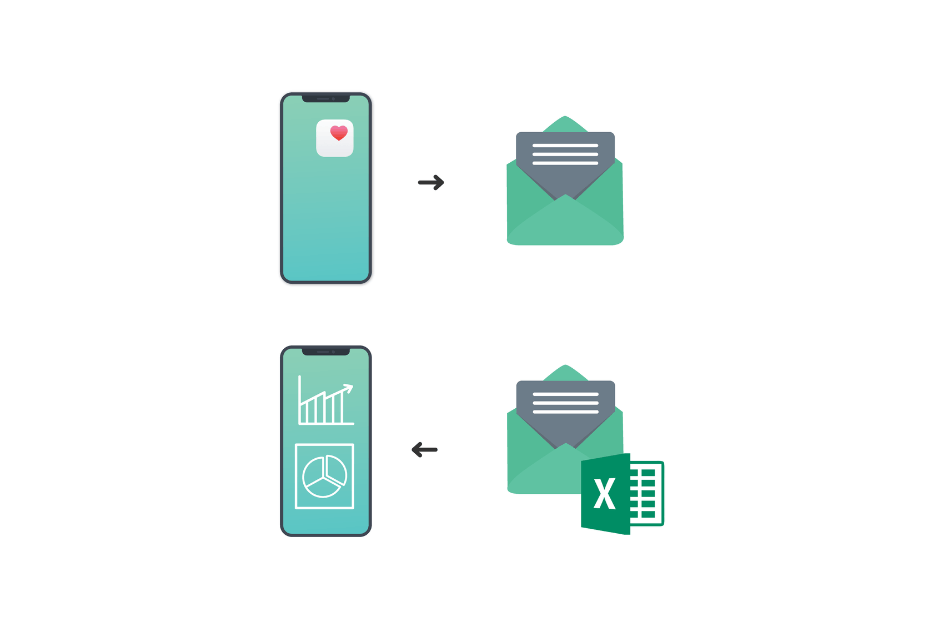
Analyze the Crap Out of Your Apple Health/HealthKit Data
As a recent iPhone + Apple Watch convert (see ya, Android and FitBit) my fitness tracking data lives in Apple Health. I want to make charts and graphs and see trends over time (you get the idea, I’m an engineer, I wantneed to engineer and analyze my fitness data). Problem is, there’s not a great way […]

Success! 🙌 Finishing the Migration from Heroku CI to Jenkins on AWS
In Migrating from Heroku CI to Jenkins on AWS – Part One, I went into depth about our migration. We containerized our CI/CD using Amazon Elastic Container Service (ECS) and the Amazon EC2 Container Service Plugin for Jenkins. This allowed us the flexibility of defining all of the required types of build agents as different […]
How to Migrate from Heroku Continuous Integration (CI) to Jenkins on AWS Like a Pro
In a recent blog post, I spoke about a migration from Heroku to AWS. I discussed the solution that Todd Trimble and I did for a client project. If you are interested in the backstory of this migration, you should check that out. In this post, I would like to dive into what we did […]